Morning intensity made simple

Aim for a bright, eye‑level source within arm’s reach during the first hour after waking. A cool‑white lamp or light therapy box positioned near your face, not just brightening the ceiling, matters most. Keep sessions regular on weekdays and weekends, pair them with coffee or emails, and avoid squint‑inducing glare by angling slightly off to the side while maintaining ample illuminance reaching your eyes.

Evening wind‑down strategy

Signal night by switching to warmer color temperatures and lower brightness at least two hours before bed. Place lights below eye level, soften shadows with a shade, and remove harsh overhead glare. Combine this with quiet, repetitive cues—herbal tea, gentle stretches, or a short read—to reinforce a predictable pattern. The small room becomes an ally when light is layered intentionally and screens shift to warmer tones consistently.

Weekend consistency in a bedsit

Tempting as it is to sleep late, large swings can unsteady your rhythm. In a bedsit or studio, keep wake and wind‑down windows similar to weekdays, while allowing modest flexibility. Use a sunrise simulator to ease earlier mornings, and protect evenings with pre‑set scenes that dim automatically. The steadier the pattern, the less your tiny space must compensate for biological jet lag later.

Window hygiene habits
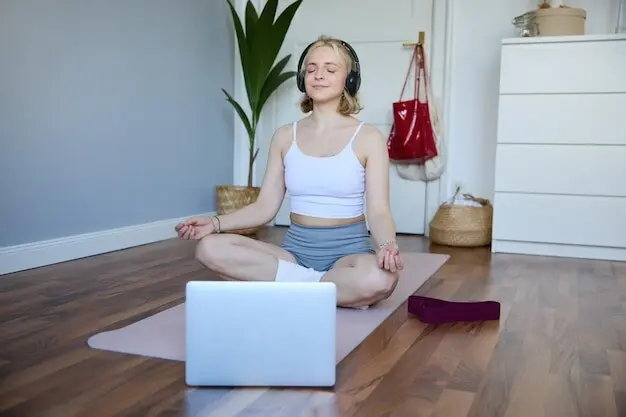
Weekly glass cleaning, slimline blinds, and pulled‑back curtains invite more sky view, not just brightness. Keep window sills decluttered, choose light fabrics, and consider top‑down, bottom‑up blinds to protect privacy without losing daylight. Even in ground‑floor flats, a modest adjustment in curtain stack depth noticeably alters perceived spaciousness and morning alertness, making natural light your easiest, cheapest ally while reserving electricity for gloomy days only.

Mirror placement geometry

Place a mirror where it sees sky, not just the opposite wall. Test angles by standing where you typically read emails, then adjust height so your seated eye line catches bright reflections without glare. A tall, narrow mirror can outperform a wide one in tight spaces, and a second small mirror near the desk brightens peripheral vision. The goal is deeper daylight penetration without introducing direct, uncomfortable reflections at eye level.

Desk and bed orientation choices

Face your working chair toward the window, even obliquely, to maximize morning exposure. If the bed must share the wall, prioritize a view of the sky upon waking rather than a wardrobe. Small pivots—thirty degrees here, a lower headboard there—change how light reaches your eyes. Keep taller furniture to the darker side of the room so the daylight side remains open, airy, and emotionally energizing without structural renovation.

Choosing Lamps That Truly Help

Good fixtures for tiny rooms balance output, spectrum, size, and safety. Look for bright, cool‑capable sources for mornings and warm dimming for nights. High color rendering prevents dreary interiors, low flicker protects comfort, and well‑placed shades cut glare. Choose compact forms that tuck onto shelves, clamp to headboards, or stand slimly in corners. Inexpensive models can perform well if specifications and placement are thoughtfully matched to your habits.

One bright anchor light

Select a primary lamp with a cool‑white setting for mornings and sufficiently high luminous output to feel energizing in winter. A floor lamp with a diffused uplight plus secondary shade can flood walls without blinding. Ensure stable dimming and minimal flicker to reduce eyestrain. Position it near your usual morning perch, then schedule it to turn on automatically, aligning wake cues with reliable brightness every cloudy weekday.

Task and accent layers

Add a desk lamp for focused tasks and a tiny accent for ambience. The desk lamp should feature adjustable arms and a controlled beam that avoids monitor reflections, while the accent lamp offers cozy warmth for late evenings. Layered light lets you switch between productivity and calm quickly, without rearranging furniture. In very small spaces, clamp‑on or under‑shelf fixtures create zones that feel bigger and more intentional.

Portable boosts that actually fit

Clip‑on reading lights, USB‑C bars, and compact light panels tuck neatly onto laptops, shelves, or bed frames. Portable gear adds adaptable brightness right where your eyes are, rather than chasing elusive ceiling illumination. Keep a small ring light handy for gloomy afternoons or video calls, choosing warmer settings past sunset. Portability is essential in rentals, where drilling is off‑limits and storage must stay effortless between uses.

Smart Control Without the Headache

Automation can gently shape your daily rhythm, but it must be simple and resilient. Schedules that brighten mornings and warm evenings remove willpower from the equation, while manual overrides protect spontaneity. Combine smart bulbs or plugs with sunrise alarms, or even old‑fashioned timers for reliability. Keep scenes named plainly, avoid app sprawl, and ensure lights default to usable states if Wi‑Fi falters or power briefly cuts out.

SAD Support That Fits on a Bookshelf

Light therapy can help with low mood in darker months, but correct use matters. Position a certified box close enough to achieve the recommended illuminance at your eyes, usually during the first waking hour. Pair usage with breakfast or inbox triage to build habit. Consult a clinician if you have eye conditions, bipolar disorder, or concerns. Complement bright mornings with darker evenings, because balancing both sides strengthens results.

Evening Comfort: Warmth, Shadows, and Sleep

Nights feel safest when light is gentle, warm, and localized. Choose amber‑leaning bulbs, fabric shades, and dim levels that preserve depth without glare. Aim lights toward walls, not eyes, and keep brightness low after dinner. Pair with blackout curtains, cool bedding, and predictable wind‑down cues. In tiny rooms, even a single, well‑placed lamp can soften edges, reduce restlessness, and make sleep arrive more easily, even on stormy nights.

Tiny‑Room Makeovers Readers Shared

Real‑world spaces, real constraints, and surprisingly big wins. Readers from Manchester, Glasgow, and Bristol reported clearer mornings after adding a bright anchor lamp and moving desks to face windows. Warm evening scenes reduced bedtime scrolling by habit, not force. Mirrors multiplied daylight in narrow terraces, and compact light therapy boxes lived on bookshelves. Each story proves square footage matters less than repeatable, well‑placed light delivering reliable daily cues.

A simple checklist to print

Face the window in the morning, run the bright lamp for twenty minutes, and dim everything warm after dinner. Keep one manual backup if smart gear fails. Log sleep quality every Sunday. Adjust mirror angles monthly. Tidy sills weekly. Repeat the sequence until it becomes almost invisible, folding into life without fuss. The goal is rhythm you feel, not rules you resent, inside real‑world constraints.

Budget tips for renters

Prioritize one versatile lamp with cool‑to‑warm control, then add a second, tiny warm light for evenings. Hunt for refurbished or clearance pieces, choose clamp‑on forms to avoid drilling, and share extension leads wisely. Spend on low‑glare shades and stable dimming before stylish extras. In tight spaces, function breeds beauty once your routine flows. Start modestly, learn what helps, and scale only where gains feel undeniable.
Vexonexoxarikentopiratemilaxi
Privacy Overview

This website uses cookies so that we can provide you with the best user experience possible. Cookie information is stored in your browser and performs functions such as recognising you when you return to our website and helping our team to understand which sections of the website you find most interesting and useful.